
António Campos
- Bekannt als
- Regie
- Geboren
- 29. Mai 1922
- Gestorben
- 8. März 1999 · 76 Jahre alt
- Geburtsort
- Leiria, Portugal
António Campos (29 May 1922 – 8 March 1999) was one of the pioneer filmmakers of visual anthropology in Portugal. Mainly using pure documentary techniques, he shot ethnographic films and tried docufiction. As well as in fictional films, he used the methods of direct cinema to portray the life of ancient human communities (ethnofiction) of his country. He started making films at the beginning of the sixties, at the same time as John Marshall (US) and Michel Brault (Canada). Without knowing much about Jean Rouch, he followed his steps in an original way. He integrated a troupe of theater amateurs and worked at a state department office in Leiria. He got a grant from the Calouste Gulbenkian Foundation in 1961, where he worked between 1970 and 1976, to study cinema in London. He took part in the 20th Century Film Festival, in Kracow, Poland. He was the delegate in Portugal for the International Federation of Art Film and a member of the International Union of Independent Filmmakers (UNICI). He started making films as an amateur. He shot ethnographic films with 16 mm light cameras and with no scientific purposes, like some of his Portuguese fellows, such as António Reis, Ricardo Costa or Pedro Costa, this one using small mini DV cameras, some years later. After the Carnation Revolution, he directed some theatrical fictional features in 35 mm, all with a strong anthropologic content. He was one of the representatives of the Portuguese Cinema Novo (or Novo Cinema), inspired by the French New Wave. His film Gente da Praia da Vieira (People of Praia da Vieira), 1976, is, together with Trás-os-Montes, by António Reis and Margarida Cordeiro, and with Mau Tempo, Marés e Mudança (Changing Tides), by Ricardo Costa, one of the first docufictions of Portuguese cinema. Shot on the same year, these films, in the same genre, are preceded by Acto da Primavera (Act of Spring), 1962, by Manoel de Oliveira, and Ala-Arriba!, 1948, by José Leitão de Barros, a contemporary to Robert Flaherty. These films may also be classified as ethnofictions.
Bekannt aus




Schauspiel1
-
2009
Falamos de António Campos Himself (archive footage)Film
Hinter der Kamera18
-
1993
A Tremonha de Cristal DirectorFilm
-
1992
Terra Fria Director, ScreenplayFilm
-
1979
Ti Miséria Director, ScreenplayFilm
-
1978
Histórias Selvagens Director, WriterFilm
-
1976
Gente da Praia da Vieira DirectorFilm
-
1976
Paredes Pintadas da Revolução Portuguesa Director of Photography, DirectorFilm
-
1975
A Festa DirectorFilm
-
1974
Falamos de Rio de Onor Writer, Editor, Director, ProducerFilm
-
1973
A Promessa Location ScoutFilm
-
1971
Vilarinho das Furnas Director, Producer, Writer, Director of Photography, Editor, Sound RecordistFilm
-
1967
Das Leben ändern Assistant DirectorFilm
- 1967 Film
-
1966
A Invenção do Amor Director, Director of Photography, Writer, Editor, ProducerFilm
-
1965
Retratos dos das Margens do Rio Lis DirectorFilm
-
1961
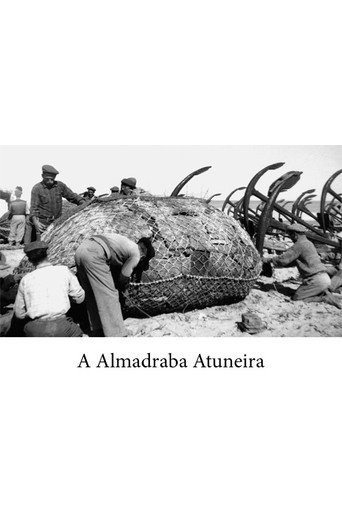
A Almadraba Atuneira Director, Editor, Producer, Writer, Director of Photography, SoundFilm
-
1960
Leiria 1960 Director, Director of Photography, EditorFilm
-
1959
O Senhor Director, Director of Photography, Editor, WriterFilm
-
1958
Um Tesoiro DirectorFilm