
Mary Ellen Bute
- Known as
- Director
- Born
- November 21, 1906
- Died
- October 17, 1983 · 76 years old
- Place of birth
- Houston, Texas
A pioneer of visual music and electronic art, Mary Ellen Bute directed along with her husband Ted Nemeth over a dozen short abstract animations between the 1930s to the 1950s. Set to classical music by the likes of Bach, Saint-Saens or Shostakovich, and filled with colorful forms, elegant design and sprightly, dance-like-rhythms, Bute's filmmaking is at once formally rigorous and energetically high-spirited, like a marriage of high modernism and Merrie Melodies. In the late 1940s, Lewis Jacobs observed that Bute's films were "composed upon mathematical formulae depicting in ever-changing lights and shadows, growing lines and forms, deepening colors and tones, the tumbling, racing impressions evoked by the musical accompaniment." Bute herself wrote that she sought to "bring to the eyes a combination of visual forms unfolding along with the thematic development and rhythmic cadences of music." (Ed Halter) Known for her pioneering early abstract films (some of which were screened regularly at Radio City Music Hall, New York in the 1930s), Bute made a series of Visual Music films which she called "Seeing Sound."
Known for


Behind the camera17
-
1967
Passages from James Joyce's Finnegans Wake Director, Treatment, Script, Editor, ProducerMovie
-
1958
Mood Contrasts DirectorMovie
-
1957
Imagination DirectorMovie
- 1956 Movie
-
1956
The Boy Who Saw Through ProducerMovie
-
1952
Abstronic DirectorMovie
-
1950
Pastorale DirectorMovie
-
1948
Color Rhapsodie DirectorMovie
-
1947
Polka Graph DirectorMovie
-
1940
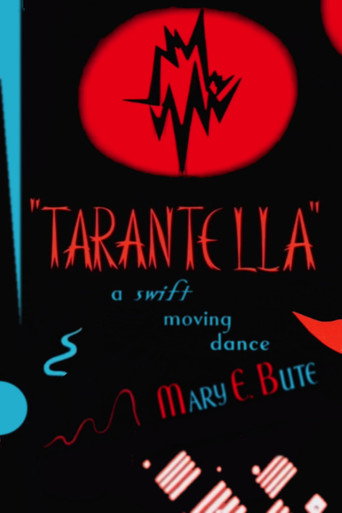
Tarantella DirectorMovie
-
1940
Spook Sport DirectorMovie
-
1937
Parabola DirectorMovie
-
1937
Escape (Synchronomy No. 4) Director, Production DesignMovie
-
1936
Dada DirectorMovie
-
1935
Synchromy No. 2 DirectorMovie
-
1934
Rhythm in Light DirectorMovie
-
1934
Synchromy No. 1 DirectorMovie